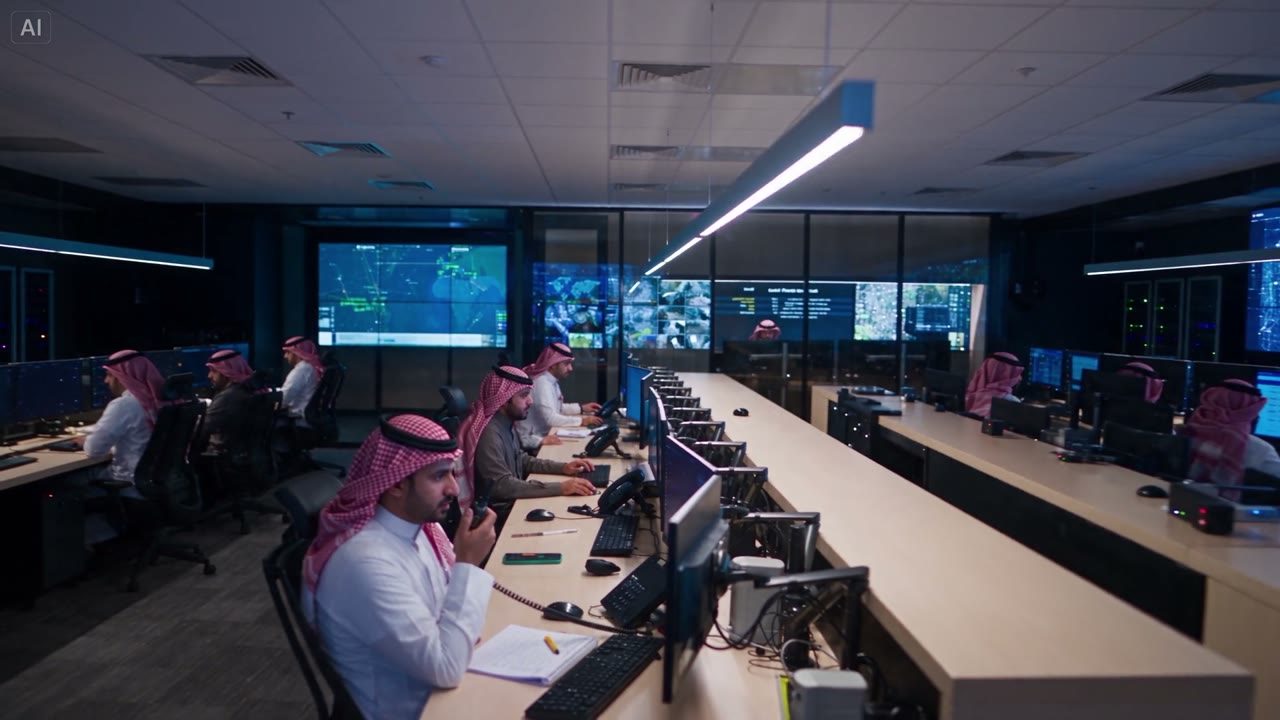
Expert help, from first set-up to everyday use
Our team and our trusted, approved partners help you implement CommandPost®, connect it to the systems you already run, and strengthen the emergency management practice around it.
A clear path from sign-up to go-live
CommandPost® is implemented the way other enterprise platforms are: through a phased method, delivered by our team, by an approved implementation partner, or by both together.
- 01
Discover
Map your hazards, agencies, roles and current procedures, and agree what success looks like.
- 02
Configure
Set up operations, teams, permissions, log forms and map layers to match how you work.
- 03
Integrate
Connect the systems and data feeds you already run, using our integrations and API.
- 04
Train and exercise
Role-based training for operators and administrators, then an exercise on your own scenarios.
- 05
Go live and improve
Support through launch, then regular reviews as your operations and teams grow.
Choose how it is delivered
- By CommandPost®Our own implementation team configures, integrates and trains, working directly with your people.
- By an approved partnerA partner in your region leads delivery, often alongside wider programmes they already run for you.
- TogetherA partner leads the programme, and our specialists join for configuration, integration and product expertise.
Whoever delivers your project, CommandPost® remains responsible for the solution, its hosting and product support.
Capability that lasts beyond the software
Through our approved partners, experienced emergency management practitioners help you plan, train, exercise and learn, before, during and after an emergency.
- Emergency and continuity planningEmergency, business continuity and event plans, written or reviewed against your obligations.
- Exercise design and deliveryDiscussion and live exercises that test your plans, people and systems together.
- Training and capabilityCourses for incident controllers, operators and liaison officers, built around your procedures.
- Incident management frameworksStructures and roles aligned to the framework you follow, such as AIIMS, CIMS, JESIP or ICS.
- Control centre designOperating models, rosters and room layouts for emergency operations and control centres.
- Post-incident reviewDebriefs and after-action reviews that turn lessons into changes you can track.
Trusted partners, held to our standard
We work closely with a small number of trusted, approved partners. Each is trained on CommandPost® and works to our implementation method, with our team alongside them.
Implementation partners
Systems integrators and consultancies approved to configure, integrate and roll out CommandPost®.
Consultancy partners
Emergency management specialists who deliver planning, exercising, training and reviews.
Become a partner
Deliver emergency management or technology services? Talk to us about joining the partner programme.
Talk to us about partnering
Command, Control & Coordination. Simplified
Every response, from a building fire to a state emergency, depends on three jobs being done well. Someone takes command and sets priorities. The people and resources doing the work are controlled. Every agency involved stays coordinated. CommandPost® brings all three into one solution, so every team works from the same live picture.
CommandDecide and direct
Setting priorities, making decisions and directing the response.
The incident controller sets the priority: evacuate the low-lying streets before the river peaks tonight.
- A live operating picture on one map
- Priorities, escalations and decisions on the record
- Plans and SOPs ready when you need them
ControlTask and track
Allocating, tasking and tracking the people, vehicles and assets doing the work.
SES crews are tasked to door-knock each street, and every acknowledgement and completed street is tracked.
- Tasks with acknowledgements
- Live GPS positions of crews and assets
- Forms and checklists completed in the field
CoordinationShare and align
Keeping every agency, team and stakeholder working from the same information.
Police, council, ambulance and the power company see the same road closures and evacuation areas in the shared log.
- One shared log across agencies
- A role-based view for each agency
- Updates for partners and stakeholders